
2026-08-16
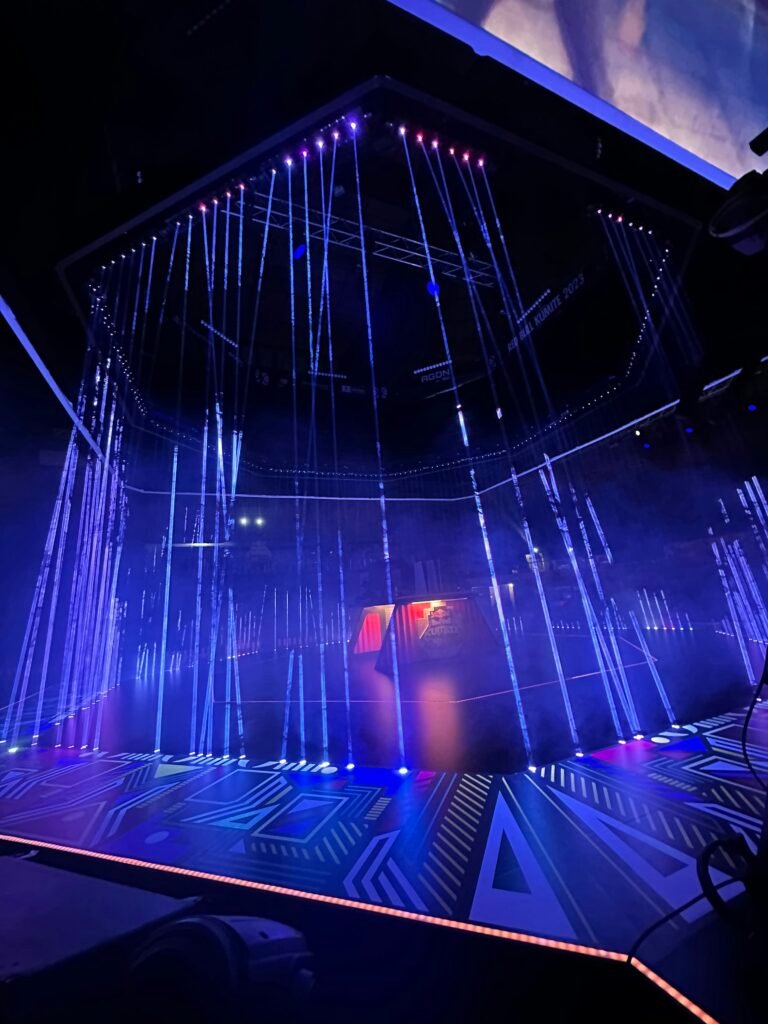
Projection mapping, a cutting-edge technology that transforms any surface into a dynamic video display, has significantly evolved in recent years. By utilizing projectors, it allows for the creation of visually immersive experiences that captivate audiences at events, concerts, and exhibitions. As we look towards 2026, the integration of artificial intelligence (AI) into projection mapping is anticipated to revolutionize the way visual stories are told and experienced.
AI-enhanced projection mapping utilizes machine learning algorithms and computer vision to analyze environments and optimize projections in real-time. This technology enables the seamless adaptation of visuals to align perfectly with the contours and features of physical spaces. The intelligence embedded within these systems allows for greater precision and creativity, fostering an engaging atmosphere that enhances audience interaction.
In upcoming years, we can expect several trends to shape the landscape of AI-powered projection mapping. Firstly, increased automation will streamline the design and execution processes, reducing the time and effort required by artists and technicians. Intelligent systems will assist in predicting audience reactions and tailoring visuals to enhance engagement, making each event unique. Furthermore, we anticipate a rise in interactive elements, where attendees can influence projections through their movements or choices, adding a personal touch to the overall experience.
Moreover, as the event industry continues to prioritize sustainability, AI can facilitate projections that require less energy or utilize environmentally friendly materials. The combination of innovative technologies and a commitment to ecological responsibility will redefine standards in event production. With AI providing the tools for elevating projection mapping, the potential for groundbreaking visual narratives is immense. In essence, the collaboration of AI and projection mapping holds promise for a future where events are more engaging, interactive, and memorable than ever before.
In recent years, artificial intelligence (AI) has dramatically transformed various sectors, and the corporate events industry is no exception. The integration of AI-powered projection mapping technology is reshaping how brands communicate their messages, engage attendees, and create immersive experiences. By harnessing the capabilities of AI, event planners can elevate corporate events from mere presentations to interactive experiences that resonate with audiences.
One of the key benefits of integrating AI into projection mapping for corporate events is the ability to tailor content dynamically. AI algorithms can analyze live data from the audience, enabling real-time adjustments to the visual output based on attendees’ reactions, demographics, or even social media engagement. This ensures that the projections remain relevant and engaging throughout the event.
Moreover, AI enhances the artistic direction of the projection mapping displays. With machine learning capabilities, AI tools can create intricate visuals that adapt to different environments and themes. For instance, companies can utilize AI-driven generative design to produce unique visual storytelling that aligns perfectly with their branding, thus allowing for a more cohesive message delivery.
A notable example of AI in action at corporate events is the use of predictive analytics to anticipate audience needs. This technology assesses attendee behavior to fine-tune presentations or product demonstrations, providing a more personalized experience that directly aligns with corporate goals. Organizations can also benefit from the use of AI for post-event analytics, helping to measure engagement and impact effectively.
In summary, the incorporation of AI technology into projection mapping for corporate events has opened new avenues for creativity and engagement. The potential for personalized and responsive experiences not only enhances brand messaging but also redefines the overall event experience, making it memorable and impactful for all participants.
As we look towards the future of concert experiences, the integration of artificial intelligence (AI) in projection mapping emerges as a transformative force that is redefining how audiences engage with live performances. This technology allows for the creation of dynamic visual elements that synchronize seamlessly with music, enhancing both the aesthetic appeal and the emotional resonance of events. In 2026, concert-goers can expect an immersive experience where visuals not only accompany the sound but interact with it in real-time.
AI-driven projection mapping leverages advanced algorithms to analyze audio input and audience feedback instantaneously. For instance, during a live musical performance, the visuals can adapt based on fluctuations in rhythm and tempo, creating a symbiotic relationship between sound and sight. This real-time adaptation sets a new standard for dynamic storytelling within the concert space, allowing artists to provide an unparalleled narrative that captivates the audience.
Furthermore, the ability to tailor visual content to audience reactions adds another layer of engagement. AI systems can utilize data such as audience movement, facial expressions, and spontaneous cheers to modify projections, creating a unique experience for each performance. This level of customization is expected to enhance emotional connections, making every concert not just an event but a memorable journey. Artists and event organizers are increasingly recognizing the potential of merging AI with projection mapping as a means to create unforgettable experiences that resonate with diverse audiences.
Incorporating AI in projection mapping technology reflects an ongoing trend towards personalization in entertainment. As the industry moves forward, the blend of art and technology will continue to redefine the landscape of live music, ensuring that concerts are not only heard but vividly experienced in a way that transcends traditional performances.
The application of AI in exhibition spaces is transforming the way viewers engage with content, creating a more interactive and personalized experience. AI-powered projection mapping technologies are at the forefront of this transformation, facilitating an environment where exhibitions are not merely displayed but rather brought to life. The incorporation of these advanced technologies allows for real-time information processing and adaptive interactions that significantly enhance visitor engagement.
One of the primary advantages of AI-enhanced projection mapping is the ability to tailor experiences to individual preferences. Utilizing data analytics, exhibitors can analyze visitor behavior and dynamically adjust presentations to suit the interests of the audience. For instance, an art exhibition can utilize AI algorithms to identify themes that resonate with specific visitors, enabling the projection of relevant artwork and information that caters to their tastes. This personal touch not only enriches the visitor’s experience but also fosters a deeper connection with the exhibits.
Moreover, the implementation of AI can streamline the flow of information within an exhibition space. Attendees are often overwhelmed by the abundance of displays and information available in events. AI-driven systems can facilitate guided tours and interactive displays that respond to visitor inquiries in real time, thus overcoming potential barriers to understanding the exhibited content. This interactivity ensures that both exhibitors and attendees derive maximum value from their experience by making the transition from passive observers to active participants.
The memorable impressions created by AI-powered projection mapping not only enhance the overall aesthetic appeal of the exhibition but also contribute to the branding efforts of the exhibitors. Results from events utilizing these technologies indicate a marked increase in visitor retention and a greater likelihood of sharing experiences through social media platforms. In the modern landscape of exhibitions, the integration of AI is an invaluable asset for professionals looking to leave a lasting impression on their audience.
As we move towards 2026, the realm of projection mapping is being reshaped by a variety of cutting-edge technologies. These advancements are elevating the impact and creativity of projections used in events, making them more interactive and immersive than ever before. Among these, real-time tracking stands out as one of the most revolutionary innovations.
Real-time tracking technology allows projectors to follow moving objects with precision, ensuring that visual content remains aligned even as the projections interact with dynamic elements in a given environment. This capability has transformed performances, allowing artists and presenters to create engaging narratives that synchronize seamlessly with audience movements, enhancing the overall experience.
Furthermore, the advent of generative visuals is changing how artists conceive projection content. Generative visuals are created using algorithms that produce dynamic imagery based on live data inputs or interactive elements. This enables a more personalized experience, as projections can adapt to the atmosphere of the event or respond to audience reactions in real-time. The ability to generate endless variations of visuals based on set parameters opens gateways to creativity, pushing the boundaries of traditional projection art.
Additionally, the implementation of RGB laser projectors has significantly improved the quality of visual displays. These projectors deliver brighter, more vibrant colors and higher contrast ratios compared to standard projectors, leading to more captivating visuals. Events utilizing RGB lasers are able to create stunning effects that enhance storytelling and engagement.
An example of these technologies in action is the use of real-time tracking at live concerts. Artists can incorporate visual effects that interact with their movements on stage, creating a mesmerizing atmosphere that draws the audience into the performance. Similarly, installations at art festivals utilizing generative visuals demonstrate how projections can be tailored to react to various sensory inputs, providing attendees with a unique experience.
As these technologies continue to evolve, the future of projection mapping looks promising, indicating a burgeoning potential for more elaborate and interactive event experiences. The integration of real-time tracking, generative visuals, and advanced laser technology is paving the way for innovative applications, setting the stage for a new era in event production.
In the dynamic landscape of event management in Hong Kong, AI-powered projection mapping is transforming how planners create and execute their events. One of the primary benefits of this technology is the remarkable ability to enhance visual storytelling. By integrating AI with projection mapping, event planners can craft immersive experiences that captivate audiences. This capability not only entertains attendees but also aligns seamlessly with brand narratives, creating a powerful connection between the event content and its audience.
Moreover, AI-driven tools are designed to streamline the planning process. Event planners can utilize advanced algorithms to optimize the design and layout of visual displays, significantly reducing the time required for setup and execution. This efficiency allows planners to focus on other critical aspects of event management, such as logistics and guest engagement. By automating repetitive tasks, AI-powered projection mapping provides planners in Hong Kong with more time to innovate and differentiate their offerings in a competitive market.
Additionally, the use of AI in projection mapping facilitates real-time adjustments, which is crucial during live events. Planners can modify visuals on-the-fly based on audience reactions or environmental factors, enhancing the overall attendee experience. This adaptability ensures that each event can respond to its unique context, making them more memorable and impactful.
Furthermore, the integration of AI in projection mapping allows for personalized experiences, tailoring content to specific segments of the audience. Such customization can range from unique visual effects based on attendee demographics to interactive displays that encourage participation. This personalized approach not only increases engagement but also strengthens attendees’ emotional connections to the event.
In conclusion, AI-powered projection mapping offers significant advantages to event planners in Hong Kong, including improved service offerings through enhanced visual storytelling, operational efficiency via automation, real-time adaptability, and personalized attendee experiences. As these technological trends continue to evolve, they will undoubtedly reshape the future of event planning in the region.
As event planners look to leverage advanced technology, understanding how to effectively rent LED walls and projectors for events becomes essential. These elements play a pivotal role in the success of AI-powered projection mapping, enhancing the viewer experience and ensuring engagement. When considering rentals, several key factors must be assessed to optimize both performance and budget.
First, sizing is fundamental. The size of the LED wall should correspond with the venue and the expected audience size. A general rule of thumb is to aim for a resolution that maintains clarity; for larger displays, a pixel pitch of 2.5mm or smaller is advisable. This ensures that even viewers situated farther away can appreciate the content being showcased. Planners should collaborate closely with rental companies to confirm that the chosen size meets the event’s specific requirements.
Next, technical requirements are critical to execution. This involves ensuring compatibility between projectors and LED walls, as well as verifying that the venue has sufficient power supply and connectivity options. Event planners should inquire about the necessary hardware, software, and any additional equipment required for effective integration. Familiarizing oneself with the latest advancements in AI technologies that interact with these systems will further enhance the presentation quality.
Budget planning is another crucial component. It’s essential to allocate funds judiciously across all technical requirements, while factoring in any potential hidden costs such as delivery, setup, and on-site support. Seeking quotes from multiple vendors can provide a clearer picture, enabling planners to make informed decisions based on their budget constraints. Additionally, consider the potential for future events; investing in high-quality rentals may be more beneficial in the long run.
In conclusion, thorough preparation and strategic planning for renting LED walls and projectors can significantly affect the success of AI-driven events. By focusing on sizing, technical requirements, and budget planning, event planners can ensure they make informed choices, paving the way for engaging and innovative experiences for attendees.
As the field of AI-powered projection mapping continues to evolve, several notable events in Hong Kong have exemplified the successful integration of this technology. One particularly impactful case study is the “Spectra” Light and Water Show, which utilizes advanced projection mapping techniques alongside water features to create a visually stunning spectacle. The technology employed involves high-definition projectors that synchronize with precise choreography, producing a dynamic experience that captivates audiences. Feedback from attendees was overwhelmingly positive, highlighting the seamless integration of music, water, and visual artistry.
Another significant example is the “Hong Kong Arts Festival,” where artists collaborated to utilize AI-driven projection mapping to enhance live performances. During one particular event, projections transformed the performance space into various imaginative settings based on the music’s tempo and theme. This use of technology not only enriched the audience’s experience but also facilitated deeper engagement with the performers. Both organizers and attendees praised the interactive elements enabled by the AI technology, which allowed the scenery to evolve throughout the show.
Furthermore, the “City of Lights” festival showcased city landmarks using AI projection mapping techniques that brought history to life. Through the use of augmented reality and interactive projections, participants were able to visualize historical narratives on iconic buildings. Organizers reported a significant increase in foot traffic as attendees were drawn to the technology’s novelty and the engaging storytelling that accompanied the visuals. Surveys indicated that participants felt a stronger connection to the city’s heritage, proving that the combination of technology and culture can yield powerful results.
These case studies illustrate the effectiveness of AI-powered projection mapping in enhancing event experiences. Their successful implementation can be attributed to the innovative use of cutting-edge technology, creative collaboration among artists, and careful consideration of the audience’s experience. Attendee feedback consistently emphasizes the importance of immersive technology in creating memorable events, positioning such innovations at the forefront of event planning in the years to come.
The convergence of artificial intelligence (AI) and projection mapping is poised to transform the landscape of event production significantly. As we look ahead to 2026, the evolving capabilities of AI can offer event planners unprecedented opportunities in crafting immersive experiences that were once deemed impossible. However, this progression comes with its own set of challenges that need careful consideration.
One of the key opportunities lies in the ability of AI to analyze audience reactions and tailor projections in real-time. This could lead to a dynamic event environment where visuals adapt based on participant engagement, creating a more personalized experience. For instance, AI algorithms could utilize predictive analytics, leveraging past data to generate projections that resonate on an emotional level with attendees. Such advancements can significantly enhance the overall impact of events, making them memorable and engaging for all participants.
Nonetheless, the integration of AI technology into projection mapping also presents challenges. Event planners in Hong Kong and beyond must navigate the technical complexities and the need for substantial investment in high-quality equipment and software. Moreover, there will be a need for skilled professionals who can operate and maintain these sophisticated systems. Ensuring that the workforce is adequately trained to handle this technology will be crucial for successful implementation.
The pace of technological change may also lead to concerns regarding reliability and security. With AI systems being susceptible to cybersecurity threats, event planners must prioritize creating secure environments to protect sensitive data. This foresight can help mitigate risks and bolster the credibility of using AI-powered solutions in events.
In summary, the future of projection mapping, enhanced by AI technology, promises exciting possibilities for event production, particularly in Hong Kong. By understanding the potential challenges and preparing adequately, planners can leverage these advancements to create innovative and impactful events that resonate well with audiences in the years to come.
Get a free quote from our Hong Kong production team within 24 hours.
Get a Quote →