
2026-08-16
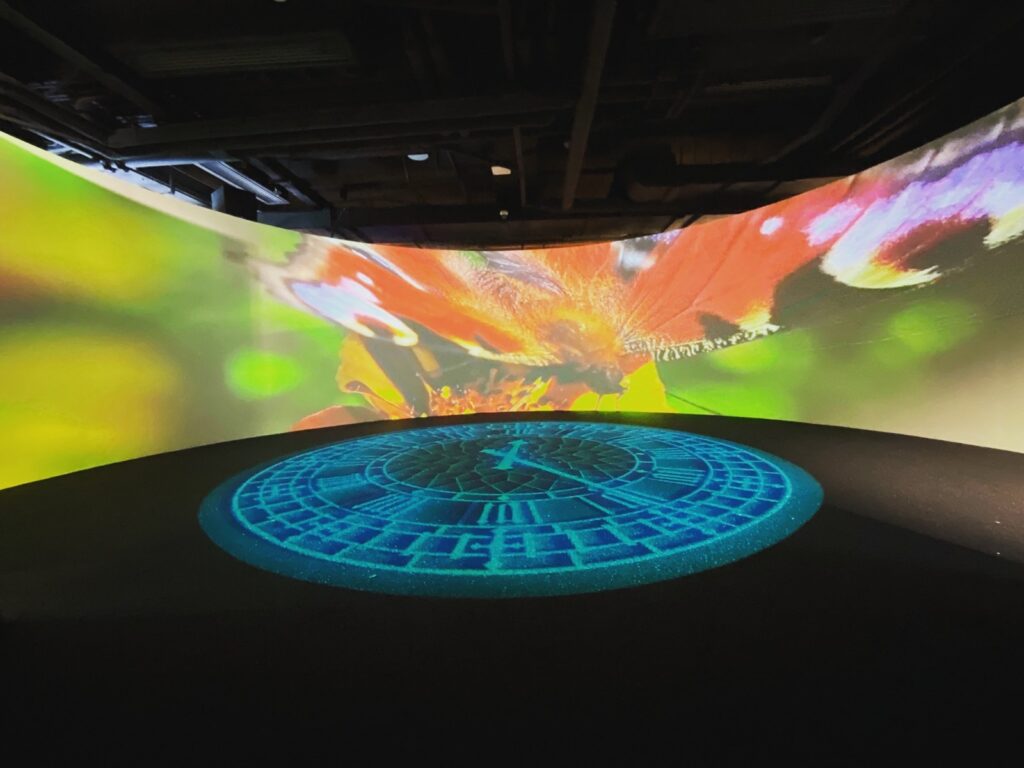
AI-powered projection mapping is revolutionizing the landscape of event planning, particularly in vibrant cities like Hong Kong. This innovative technology blends art and science, utilizing advanced artificial intelligence algorithms to transform ordinary surfaces into dynamic canvases. With the rise of AI, traditional projection techniques have evolved significantly, creating more engaging and interactive experiences for audiences.
At its core, projection mapping involves projecting images and videos onto three-dimensional surfaces, allowing for stunning visual displays that captivate viewers. When enhanced with AI, this technique takes on a new dimension. AI can analyze and adapt to its environment in real time, tailoring visuals based on audience interaction and event context. As a result, projection mapping becomes not merely a visual backdrop but an integral part of the storytelling process at events.
In Hong Kong, where events often require cutting-edge technology to stand out in a competitive market, AI-powered projection mapping is becoming increasingly relevant. Event planners are leveraging this technology to create immersive environments that attract larger crowds and leave lasting impressions. By integrating AI, they can offer personalized experiences, such as adjusting projections based on audience reactions, thus enhancing engagement.
The application of AI in this field extends beyond aesthetics; it also provides valuable analytics to event organizers. By understanding audience preferences through data gathered during interactions, planners can make informed decisions for future events. This not only improves the overall experience but also streamlines the planning process, making it more efficient and effective.
As AI continues to advance, it is likely that we will see even more innovative uses of projection mapping in events across Hong Kong. This technology promises to enhance the creative possibilities available to planners, ensuring that events are not only successful but also memorable. The fusion of AI and traditional projection techniques holds the potential to transform how events are perceived and experienced in Hong Kong and beyond.
Real-time tracking technologies have emerged as a crucial component in the realm of AI-powered projection mapping, enhancing interactivity and engagement during live events. These innovations utilize a variety of sensors and advanced algorithms to analyze audience movements and adapt projections dynamically. As a result, the visual output becomes more immersive and tailored to the participants present.
One prominent example of such technology includes the use of infrared cameras or LIDAR systems, which can capture live data about the environment and movements within a space. This data serves as input for algorithms designed to adapt the projected content in real-time. For instance, in a recent event held in Hong Kong, a music festival employed these real-time tracking systems to create visuals that changed based on the movement of attendees on the dance floor. As the crowd swayed and danced, the projections morphed and followed their rhythms, creating a unique sensory experience.
Furthermore, these technologies are not limited to tracking individual movements; they can also gauge overall audience dynamics. For example, machine learning models can analyze patterns such as crowd density or flow, enabling organizers to adjust lighting and projections accordingly to enhance safety and engagement. This capability was notably showcased during a cultural parade in Hong Kong, where dynamic projections adapted to both the size and movement of the crowd, making the event more cohesive and visually interesting.
With advancements in AI and machine learning, the future of real-time tracking technologies looks promising. As developers continue to refine their algorithms and integrate new devices, the possibilities for captivating dynamic projections in live events will expand significantly. Such technologies not only improve audience engagement but also provide creative teams with tools to tell stories in more innovative and interactive ways.
In recent years, the landscape of projection mapping has been significantly transformed by the advent of generative visuals driven by artificial intelligence (AI). This innovative approach allows artists and event organizers to create unique and immersive visual experiences that captivate audiences in ways previously thought unattainable. Generative visuals leverage algorithms and machine learning techniques to produce artworks that evolve in real-time, offering an engaging alternative to traditional static projections.
The ability to utilize generative visuals in projection mapping enables creators to push the boundaries of their artistic expression. AI can analyze vast datasets, including images, sounds, and patterns, to create visuals that respond dynamically to the environment or specific stimuli. This capability ensures that every event utilizing generative projection mapping can present a one-of-a-kind experience tailored to that particular moment, enhancing its memorability and impact.
Moreover, the integration of AI into projection mapping facilitates a seamless blending of physical and digital realms. Artists can experiment with various elements—from textures and colors to movement dynamics—allowing for a fluidity that captures the essence of an event’s theme. For instance, the projection of generative visuals onto buildings or other surfaces can transform the entire atmosphere of an event, inviting attendees to engage interactively and emotionally with their surroundings.
The implications of generative visuals extend beyond aesthetic enhancement; they also introduce innovative possibilities for storytelling. AI-generated content can weave narratives that resonate with diverse audiences, making the projection mapping experience more relatable and profound. As these technologies continue to evolve, they promise to further revolutionize the art of storytelling in public installations and corporate events across Hong Kong.
In the rapidly evolving landscape of projection mapping, RGB laser projectors have emerged as a crucial technology, providing distinct advantages over traditional projectors. These advanced devices utilize red, green, and blue laser light to create vivid, highly accurate images that are particularly beneficial for large-scale events in dynamic environments like Hong Kong.
One of the primary advantages of RGB laser projectors is their exceptional color accuracy. Unlike conventional lamp-based projectors, which can suffer from color degradation and limited spectrum range, RGB lasers deliver a richer palette, allowing event organizers to present visuals that are true to their original design. This color quality is particularly important in settings such as festivals or corporate events, where branding and visual impact are key considerations.
Moreover, RGB laser projectors shine in terms of brightness. They produce a higher lumen output than many traditional projectors, enabling them to project clear and crisp images even in well-lit environments. This characteristic is especially vital for outdoor events in Hong Kong, where ambient light can significantly affect visibility. The enhanced brightness ensures that visuals remain engaging and effective, irrespective of the surrounding light conditions.
Versatility is another hallmark of RGB laser projectors. These devices can be adapted for various types of projection mapping, including surface projections, immersive installations, and 3D mapping. Traditional projectors often limit the creative possibilities due to their reliance on specific surfaces and settings, whereas RGB laser projectors offer greater flexibility. This adaptability allows event planners to experiment with different projection surfaces and environments, thus enhancing the overall audience experience.
In conclusion, the integration of RGB laser projectors in event planning in Hong Kong offers significant benefits in color accuracy, brightness, and versatility. These advantages solidify their role as a pivotal element in modern projection mapping, paving the way for more impactful and engaging visual experiences in the event industry.
In the rapidly evolving landscape of corporate events, the adoption of AI-powered projection mapping offers numerous advantages that significantly enhance the overall experience. One of the primary benefits is improved brand engagement. By utilizing this advanced technology, companies can create visually captivating displays that capture the attention of their audience. This not only helps in delivering the corporate message effectively but also fosters a deeper connection between the brand and its attendees.
Another notable advantage is the storytelling capability that AI-powered projection mapping brings to corporate events. Through dynamic visuals and interactive elements, organizations can weave compelling narratives that go beyond traditional presentations. This approach transforms standard corporate communications into immersive experiences, allowing participants to engage with the brand’s story in a memorable way. Such storytelling not only conveys information but also cultivates emotional responses, leaving a lasting impression on the audience.
Furthermore, the use of projection mapping enhances the immersive experience of corporate events. AI technology allows for real-time adjustments to the visuals based on audience reactions and environmental factors. This adaptability ensures that the projections remain relevant and impactful, further heightening the overall engagement of the event. The integration of 3D mapping and other advanced features elevates the sensory experience, enabling the audience to explore various aspects of the brand in an innovative manner.
Moreover, the versatility of AI-powered projection mapping can be tailored to suit different corporate identities and objectives. Whether it’s launching a new product, celebrating a milestone, or facilitating team-building activities, this technology provides the flexibility to design the visual narrative that aligns with specific corporate goals. Ultimately, the adoption of AI in projection mapping not only elevates the aesthetic appeal of corporate events but also reinforces the corporate messaging, thereby maximizing the effectiveness of the communication strategy.
AI-powered projection mapping is revolutionizing the concert experience, enhancing the way audiences engage with live performances. This innovative technology allows for the creation of captivating stage backdrops that dynamically adapt to the rhythm and theme of the show, thereby elevating the overall atmosphere. By using advanced algorithms, projection mapping seamlessly integrates visuals with music, creating a multi-sensory experience that mesmerizes concert-goers.
One significant impact of AI projection mapping is its ability to enhance performer interactions. Through the use of real-time data, projections can respond to the movements of artists on stage. This means that as performers interact with the visuals, the imagery can shift and change in ways that complement their actions, creating an immersive environment. For example, when a singer reaches a crescendo, the visual backdrop can explode into vibrant colors and patterns, intensifying the emotional response of the audience.
Moreover, AI projection mapping allows for the customization of the concert experience. Organizers can design unique visual themes for each performance, ensuring that no two shows are alike. This not only enriches the aesthetic appeal of live events but also helps in storytelling through visuals. Attendees can expect to see powerful narratives conveyed through the interplay of light and sound, making music performances more memorable.
Additionally, the technology enables artists to connect with their fans on a deeper level. With engaging visuals that resonate beyond the music itself, audiences are drawn into the performers’ world, creating a sense of intimacy even in larger venues. The combination of sound and visuals can evoke strong emotions, leaving a lasting impression long after the concert concludes.
As AI-powered projection mapping continues to evolve, it promises to play an increasingly significant role in enhancing concerts and live performances, making them more interactive, engaging, and visually stunning.
Hong Kong has emerged as a vibrant hub for innovative events, with AI-powered projection mapping taking center stage. Various events have successfully utilized this technology to create mesmerizing experiences that leave lasting impressions. One notable case is the annual Hong Kong Arts Festival, which recently incorporated AI projection mapping into its presentations. Artists collaborated with technologists to explore new dimensions of creativity, resulting in stunning visual narratives that enhanced theatrical performances.
Another compelling example is the Chinese New Year festivities in Victoria Harbour, where an impressive display of AI-powered projection mapping transformed the iconic skyline into a canvas of light and color. The event featured intricate video visuals that synced with live music, showcasing both traditional and modern cultural themes. This integration not only captivated the audience but also demonstrated how technology can celebrate cultural heritage in an engaging manner.
The Hong Kong Disneyland Resort also embraced this innovative technology during its seasonal events, particularly during Halloween and Christmas celebrations. By using AI mapping, Disneyland created immersive environments that transported visitors into fantastical worlds filled with animated projections on iconic structures. These projections were purposefully designed to tell stories, making the experiences more memorable for guests and highlighting the versatility of projection mapping.
Finally, the collaborative event “Light Up the Sky,” hosted by the Hong Kong Tourism Board, showcased the potential of AI-powered projection mapping on a larger scale. High-profile buildings were adorned with stunning visual displays designed by leading artists and technologists, turning the city into a living art installation. Audience interaction was encouraged through real-time adjustments to the projections based on crowd responses, signifying a remarkable step toward personalized event experiences.
These case studies illustrate the growing trend of AI-powered projection mapping in Hong Kong, highlighting how events can leverage this technology to create unique, engaging, and visually stunning experiences for audiences across various sectors.
As technology continues to evolve, the future of projection mapping, particularly in the context of artificial intelligence (AI), presents exciting possibilities for enhancing events in Hong Kong. Recent advancements in AI algorithms and machine learning are expected to drive innovations that will transform how projection mapping is utilized. One of the anticipated trends is the integration of real-time data analysis into projection systems. This will allow for dynamic content creation that adapts to audience reactions, environmental conditions, and specific event themes, thereby enhancing the overall experience.
Moreover, the emergence of 3D mapping capabilities will likely gain momentum. This next-generation projection technique enables more immersive visual experiences by mapping dynamic visuals onto complex surfaces. As hardware becomes more sophisticated and accessible, event planners will increasingly adopt these advanced techniques to create engaging environments that captivate their audiences.
Another significant trend is the proliferation of AI-driven content generation tools. These technologies will enable designers to create intricate visuals with minimal manual input, allowing for faster project completion without sacrificing quality. The automation of content creation will facilitate the incorporation of personalized elements tailored to specific demographics, thereby fostering deeper connections between events and participants.
Furthermore, we can expect advancements in the integration of augmented reality (AR) and virtual reality (VR) into projection mapping. This fusion will offer unparalleled interactive experiences that elevate the audience’s engagement. For instance, event organizers may leverage AR to overlay digital information on the physical environment, enhancing storytelling and user interaction.
Finally, as sustainability becomes a significant focus across industries, projection mapping technology is likely to evolve while embracing eco-friendly practices. Utilizing energy-efficient projectors and sustainable materials in installations will not only appeal to environmentally-conscious consumers but also align with global efforts to reduce carbon footprints in the event industry. These trends indicate a promising future for AI-powered projection mapping in Hong Kong, with the potential to redefine how events are conceptualized and experienced.
As the landscape of event planning continues to evolve, adopting emerging technologies like AI-powered projection mapping becomes increasingly vital. This innovative approach not only enhances the visual appeal of events but also offers a level of interactivity and personalization that traditional methods cannot match. Event organizers who leverage these advancements position themselves at the forefront of the industry, attracting more audience engagement and delivering memorable experiences.
The ability of AI to analyze data and create tailored content allows for a more effective communication strategy, ultimately leading to higher satisfaction among attendees. By embracing AI technologies, event planners can streamline their processes, making events more efficient and enjoyable. The integration of advanced projection mapping techniques also opens up a myriad of creative possibilities, enabling organizers to visualize complex concepts in an engaging manner.
Moreover, staying ahead of trends is crucial in a competitive market like Hong Kong’s. As events become more integrated with technology, those who resist change may find themselves at a disadvantage. Therefore, it is essential for event organizers to not only adopt AI-powered solutions but also to innovate continuously. This will help them to not just meet the expectations of modern audiences but to exceed them, creating unique brand experiences and retaining customer loyalty.
In conclusion, the importance of embracing innovation in event planning cannot be overstated. By incorporating AI-powered projection mapping into their events, organizers can not only enhance their offerings but also ensure they remain competitive in a rapidly changing world. The future of event planning is here, and it is imperative for professionals in the industry to adapt and grow with these technological advancements.
Get a free quote from our Hong Kong production team within 24 hours.
Get a Quote →