
2024-12-17
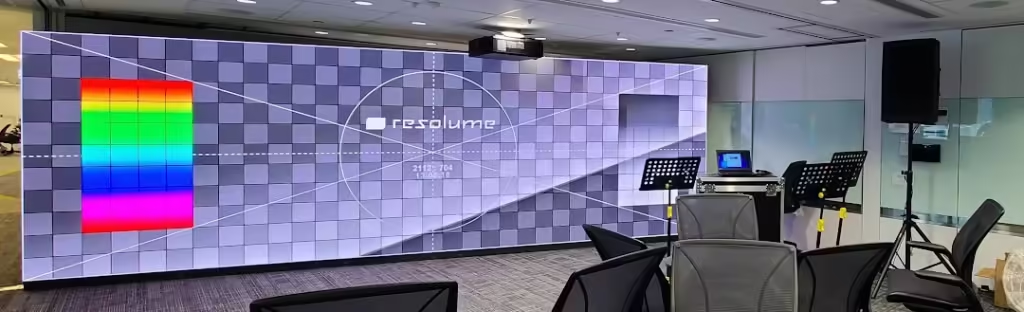
LED walls are quickly becoming a game-changer in various industries, from live events and concerts to corporate presentations and advertising. Whether you’re looking to enhance an event experience, improve digital signage, or transform your venue, understanding how LED walls work and their many applications can help you make informed decisions. In this comprehensive guide, we’ll break down everything you need to know about LED walls, including their benefits, types, installation process, and maintenance, to ensure you get the most out of this cutting-edge technology.
An LED wall is a large-scale display made up of multiple LED panels that work together to create a unified, high-quality visual experience. These walls can display vibrant images, videos, animations, and graphics, making them ideal for both indoor and outdoor settings. Unlike traditional projectors, LED walls offer better brightness, resolution, and reliability, making them perfect for high-visibility environments.
LED walls offer numerous advantages that make them superior to other display technologies. Here are some of the key benefits:
LED technology produces incredibly bright and clear images, even in well-lit environments. The high resolution of LED walls ensures that the display remains sharp and vivid, regardless of the size of the screen.
LED walls are built to last, with many systems offering a lifespan of 100,000 hours or more. This makes them a reliable option for long-term use, reducing the frequency of replacements or repairs.
LED displays consume less power than traditional display technologies like LCDs and projectors. This energy efficiency is a key benefit for companies looking to reduce their environmental impact and energy costs.

Because LED walls are modular, they can be configured in a variety of shapes and sizes to fit different spaces. Whether you need a curved, rectangular, or custom-shaped display, LED panels can be arranged to meet your design requirements.
LED walls come in different types based on their design and the applications they are best suited for. Here are the most common types:
Indoor LED walls are designed for environments with controlled lighting conditions, such as theaters, conference rooms, and exhibition halls. They typically offer high resolution for clear and detailed visuals.
These LED walls are specifically built to withstand harsh weather conditions. They have higher brightness levels to ensure visibility even in direct sunlight and are typically used for outdoor advertising, concerts, and sporting events.
Rental LED walls are portable systems that are often used for temporary events like conferences, concerts, and festivals. These walls are designed to be easy to transport and set up, providing high-quality visuals for short-term use.
Fine-pitch LED walls offer extremely high resolution and are ideal for close-up viewing, such as in control rooms, broadcast studios, or for creating immersive experiences. They are known for their pixel density, making them suitable for detailed graphics and videos.
Choosing the right LED wall depends on several factors, including the location, purpose, and budget. Here’s what to consider when making your decision:
Resolution is one of the most important factors in determining the visual quality of an LED wall. Pixel pitch refers to the distance between each pixel, with a smaller pitch offering better resolution. For larger displays or those viewed from a distance, a higher pixel pitch may be acceptable, but for close-up viewing, a fine-pitch LED wall is recommended.
Brightness is another key factor in selecting the right LED wall. For outdoor events or locations with high ambient light, you’ll need an LED wall with higher brightness to ensure the images remain visible. Indoor LED walls typically require less brightness.
Consider the size of the display based on the space where the LED wall will be installed. The flexibility of LED panels allows you to create displays of virtually any size or shape, so take into account the available space and the overall design.
While LED walls can be expensive, the long-term savings in maintenance, energy consumption, and durability make them a cost-effective investment. Keep in mind the total cost of ownership, including installation, maintenance, and power consumption.
The installation process of an LED wall can be complex and requires specialized knowledge and expertise. Here’s an overview of the key steps:
Maintaining an LED wall ensures its longevity and optimal performance. Here are some essential maintenance tips:
Dust and debris can accumulate on the LED panels, reducing image quality. Regular cleaning with appropriate tools is essential to maintain the clarity of the display.
Dead pixels can sometimes occur in LED displays, affecting visual quality. Keep an eye out for any issues and address them promptly to avoid further problems.
Like any other technology, LED walls require periodic software and firmware updates to ensure compatibility with the latest features and security improvements.
If the LED wall is installed outdoors, monitor the surrounding environment for changes in temperature, humidity, and weather conditions. These factors can affect the performance and lifespan of the system.
LED walls are versatile and can be used in a wide range of industries. Here are some of the most popular applications:
LED walls are an investment that can significantly improve the visual experience for your audience, whether you’re hosting an event, creating an immersive experience, or promoting a product. By understanding the types, benefits, and considerations involved, you’ll be better equipped to choose and maintain an LED wall that fits your needs.
Get a free quote from our Hong Kong production team within 24 hours.
Get a Quote →