

Hong Kong is globally renowned as Asia’s World City—a dynamic, strategic gateway connecting East and West. This unique position, coupled with world-class infrastructure, makes it an unparalleled destination for hosting everything from intimate gala dinners to massive international summits.
However, planning a successful event in this highly dense and regulated environment requires more than just creative vision; it demands meticulous logistical planning, deep local knowledge, and technical production expertise. This comprehensive guide provides the strategic framework necessary to not only manage an event in Hong Kong but to elevate it to a world-class standard.
Understanding Hong Kong’s Dynamic Event Landscape
The Meetings, Incentives, Conventions, and Exhibitions (MICE) sector in Hong Kong has shown remarkable resilience and growth, cementing its role as a high-yield travel driver for the city’s economy. Understanding these dynamics is the first step toward strategic event planning.
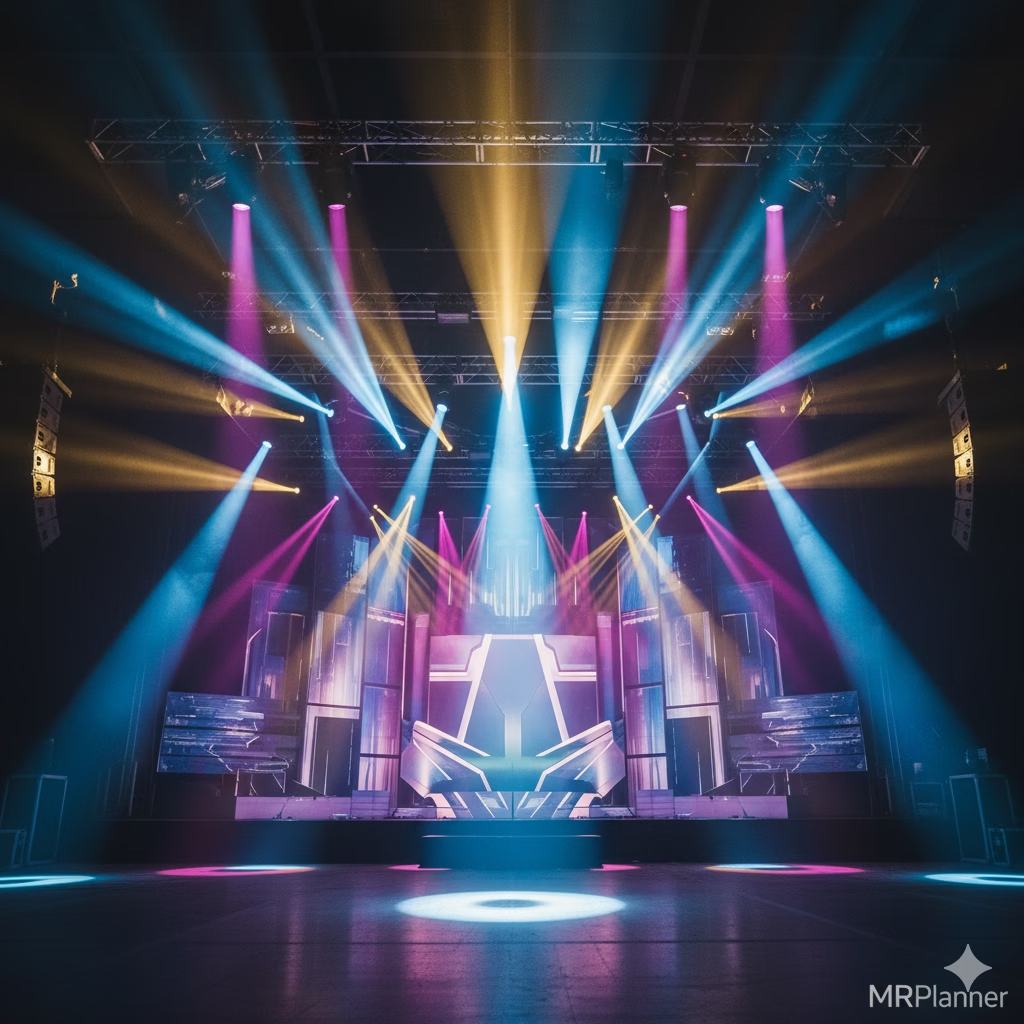
Key Industry Trends and Statistics
Current data illustrates the strong market momentum:
- Strong Recovery: Hong Kong welcomed over 1.42 million overnight MICE visitors in 2024, marking a significant year-on-year increase. Notably, the spending per capita of these MICE visitors outperforms overall overnight tourist expenditure by approximately 40%, highlighting the sector’s economic importance. (Source: Hong Kong Tourism Board – HKTB)
- High-Value Focus: The city’s event calendar is packed, with 56 large-scale international MICE events secured for 2025-2026, including 16 inaugural conventions. Key growth sectors driving demand for corporate events, conferences, and exhibitions include FinTech, innovation and technology, medical sciences, and aviation.
- Global Connectivity: Organizers are increasingly seeking partners who possess an international outlook yet maintain rapid, localized response times, crucial for overseas companies planning complex events in Hong Kong.
The Spectrum of Events Thriving in HK
Event management in Hong Kong encompasses a diverse range of formats, each requiring specialized production capabilities:
- International Conferences and Business Summits: Requiring robust technical support for multilingual interpretation, live streaming/hybrid formats, and large-scale stage builds (often held at major venues like the HKCEC or AsiaWorld-Expo).
- Corporate Gala Dinners and Annual Staff Parties: Focused on high-impact theming, sophisticated lighting design, unique entertainment lineups, and seamless F&B management.
- Brand Activations and Product Launches: Demanding bespoke decoration, custom-built props, and specialized audio-visual (AV) setups to create immersive, highly shareable experiences.
- Family Fun Days and Large Festivals: Requiring expertise in crowd control, temporary structure safety, and diverse entertainment coordination.
Phase 1: Strategic Event Planning and Concept Development
Successful event execution is rooted in rigorous pre-production planning, particularly concerning two critical factors: venue logistics and regulatory compliance.
Venue Selection: Navigating Hong Kong’s Options
Choosing the right location is paramount. While capacity and budget are standard concerns, event planners in Hong Kong must also evaluate:
- Logistical Accessibility: Given Hong Kong’s density, proximity to the MTR (Mass Transit Railway) and major transport hubs is a primary consideration for maximizing delegate attendance and simplifying vendor load-in/load-out.
- In-house Restrictions: Many hotels and commercial spaces impose restrictions on AV, decoration setup times, or power consumption. A full-service production house can quickly assess venue limitations and propose feasible solutions, often leading to significant cost and time savings.
- Beyond the Ballroom: Creative planners leverage unique spaces such as heritage buildings, waterfront piers, or even temporary structures in public parks, all of which introduce complex, high-stakes regulatory requirements.
Regulatory Compliance and Permits: A Critical Overview
Navigating Hong Kong’s licensing environment is perhaps the single greatest challenge for international planners. Compliance ensures public safety and the legality of the event.
Most public-facing events, especially those involving entertainment, exhibitions, or temporary food sales, require a license. The most common requirement is the Place of Public Entertainment (PPE) License or a Temporary PPE License, issued by the Food and Environmental Hygiene Department (FEHD).
Actionable Insight: Permit Application Timing
For events requiring the erection of temporary structures (such as large stages or exhibition booths), the FEHD application should ideally be submitted at least 42 days in advance. For events with no temporary structures, a minimum of 18 days is typically required.
Additionally, large outdoor events or public processions exceeding 50 people require prior notification to the Commissioner of Police under the Public Order Ordinance.
Phase 2: Technical Production and Seamless Execution
The quality of event production is the difference between a functional meeting and a truly memorable experience. In Hong Kong, speed and integration are key due to tight venue schedules.
The Power of In-House Production: Why Integration Matters
While many agencies outsource, having fully integrated, in-house technical and creative teams—including dedicated AV technicians and carpentry workshops—offers distinct competitive advantages:
- Quality Control: Custom backdrops, props, and stage builds are managed entirely under one roof, ensuring they align perfectly with the creative vision and safety standards.
- Budget Efficiency: Eliminating multiple layers of third-party vendors reduces markups and provides greater flexibility in cost management.
- Rapid Response: If a design change or unforeseen technical issue arises during setup, in-house teams can adapt immediately, bypassing the delays associated with coordinating external contractors. This rapid deployment capability is essential for managing the compressed timelines common in Hong Kong’s most sought-after venues.
Audio-Visual Excellence: Beyond the Basics
Modern corporate and brand events demand more than a simple PA system. Production houses must provide cutting-edge solutions, including:
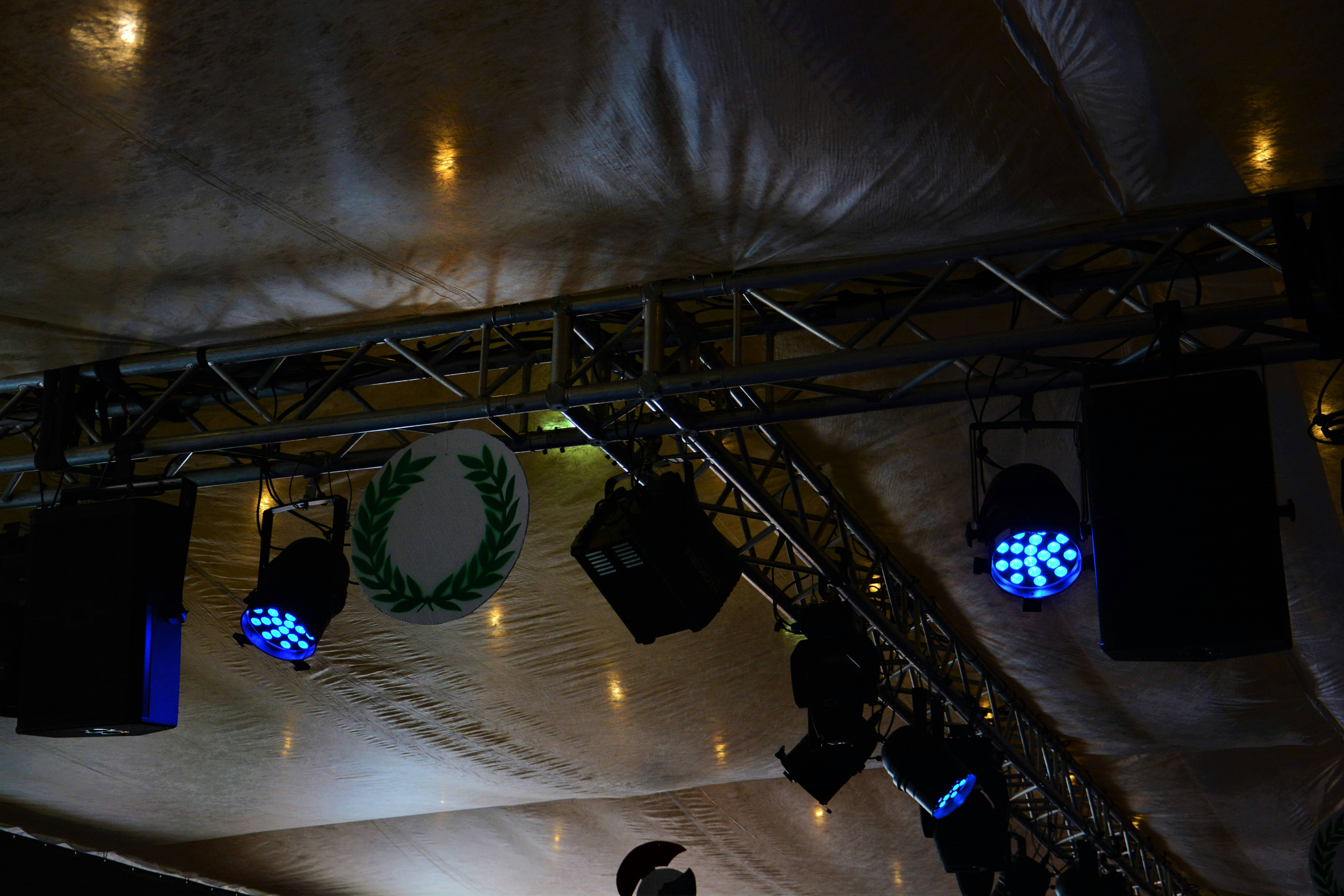
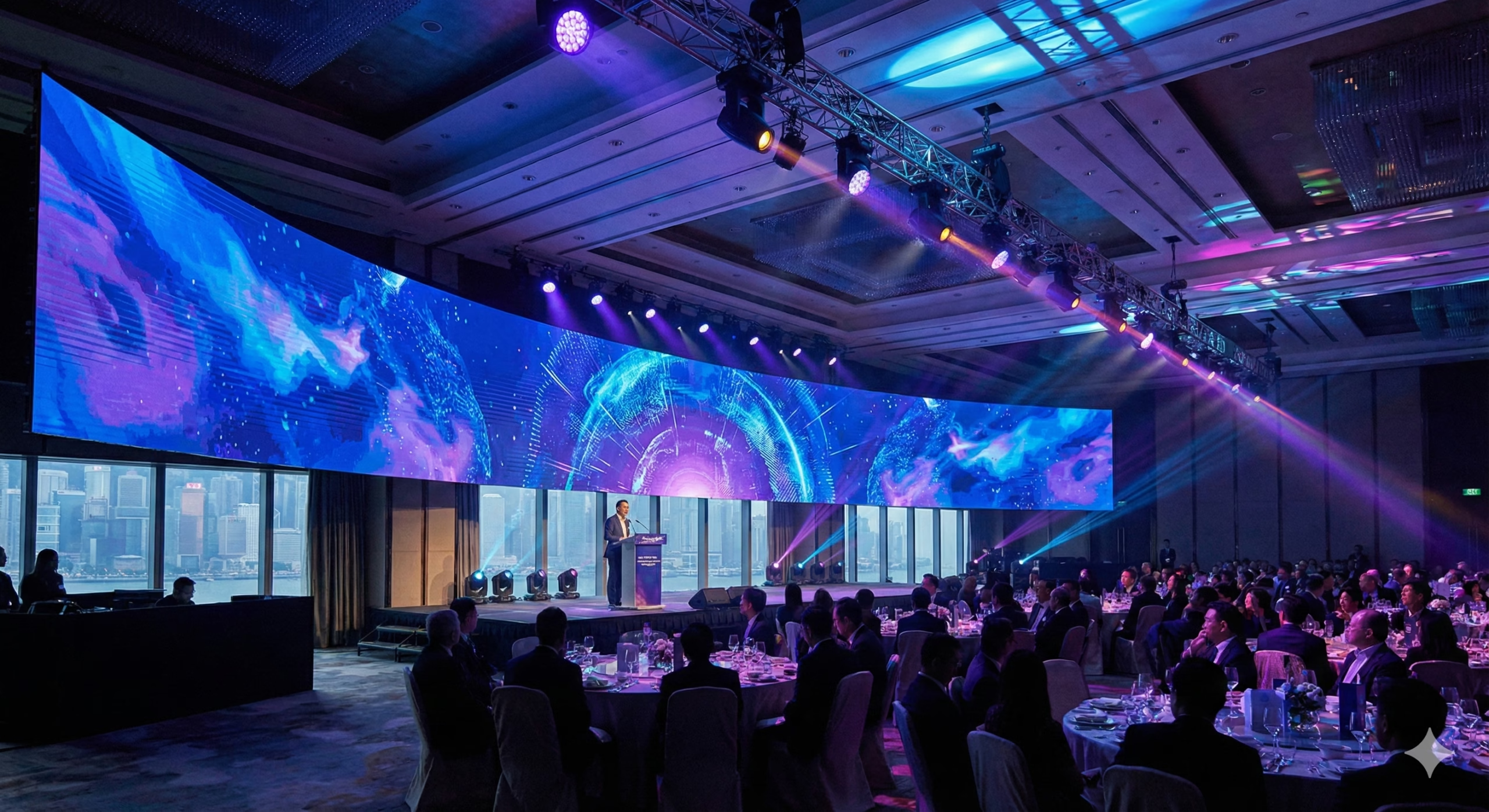
- LED Walls and Projection Mapping: High-resolution LED screens for dynamic content delivery and projection mapping to transform physical spaces.
- Hybrid and Digital Integration: Professional systems for live event streaming, reliable remote speaker integration, and seamless interaction between physical and virtual audiences.
- Multilingual Support: Provision of simultaneous interpretation booths and high-quality equipment to facilitate international delegate communication.
Elevating the Delegate Experience: Key Considerations
To ensure an event is successful, planners must consider the journey of every attendee, both local and international.
Sustainability in Hong Kong Events
Sustainability is quickly transitioning from a trend to a core requirement for corporate events. Hong Kong event planners can demonstrate leadership by focusing on actionable steps:
- Waste Reduction: Prioritizing venues that facilitate waste sorting and using digital signage and mobile apps to drastically reduce paper usage (e.g., eliminating printed conference guides).
- Sourcing: Partnering with local vendors for food and materials to reduce carbon footprints and support the local economy.
- Venue Choice: Selecting LEED-certified or Green Mark venues that adhere to high environmental standards.
International Guest Logistics
Since Hong Kong is a major international hub, seamless delegate arrival and stay are crucial:
- Visa Assistance: Providing clear guidance on visa requirements for Mainland China and international attendees early in the registration process.
- On-site Support: Offering multilingual event staff and clear directional signage (in both English and Chinese) to maximize comfort and accessibility.
Frequently Asked Questions by Event Organizers
Here are detailed answers to common questions often overlooked in basic service descriptions:
Q: What is the average lead time required for a large-scale event (500+ attendees) in Hong Kong?
A: While small events can be organized in 6-8 weeks, a large-scale international conference or gala dinner requiring full production, complex venue booking, and permit approval (especially if temporary structures are involved) should ideally begin planning 9 to 12 months in advance. This buffer is critical for securing prime venues and navigating the necessary FEHD and Police permit processes.
Q: How do I budget for technical production when seeking vendor quotes?
A: Do not simply ask for a “sound and lighting” package. Ask vendors for a clear breakdown distinguishing between: 1) Equipment Rental Cost (the gear itself); 2) Technical Labor Cost (salaries for sound engineers, lighting designers, AV operators); and 3) Rigging/Logistical Cost (transport, setup, and teardown). This clarity allows for accurate comparison and contingency planning.
Q: Can I use one company for both event planning and production?
A: Yes, and it is highly recommended in Hong Kong. Working with a single, fully-integrated partner simplifies the supply chain, minimizes communication errors between creative and technical teams, and significantly improves responsiveness, particularly during the high-pressure setup window.
Conclusion: Partnering for Success in Hong Kong
Executing a world-class event in Hong Kong requires a blend of creative vision and disciplined, hyper-local execution. By thoroughly understanding the city’s robust MICE market, meticulously addressing regulatory challenges, and selecting an integrated production partner that controls both the creative and technical supply chains, you can ensure your event transcends expectations.
Your choice of partner should be predicated not just on their portfolio, but on their ability to offer in-house solutions—from carpentry and custom design to advanced AV rental—providing the efficiency and quality control necessary to thrive in Hong Kong’s dynamic business environment.

發表迴響