

Understanding the Importance of AV Production in Events
Audio-visual (AV) production plays a pivotal role in the success of live events, significantly enhancing the overall experience for attendees. The integration of sound, video, and lighting creates an immersive atmosphere that captivates the audience and engages them on multiple sensory levels. When effectively executed, AV production transforms ordinary gatherings into memorable experiences, fostering a strong connection between the presenters and their audience.
One of the primary elements of AV production is sound. High-quality audio ensures that every word spoken reaches the audience clearly, eliminating distractions caused by technical issues. A well-balanced sound system not only conveys the spoken message but also enriches the event with music, sound effects, and ambient noise that can evoke emotions and deepen engagement. Moreover, good sound design can direct audience attention, guiding them to focus on key moments of the event.
Another critical component of AV production is video, which can take various forms, including live feeds, presentations, and pre-recorded content. Effective use of video amplifies communication, illustrating complex concepts or showcasing product demonstrations in ways that resonate more profoundly with attendees. An example of successful AV production in a live event can be seen in product launches where dynamic visuals create excitement and captivate potential customers.
Lighting also plays a significant role, setting the mood and tone for the event. Proper lighting helps create an inviting environment, enhances visibility, and emphasizes key moments or speakers. For instance, dramatic lighting effects can heighten emotional responses and create memorable visuals, significantly influencing audience satisfaction and retention.
In essence, the synergistic effect of these elements—sound, video, and lighting—culminates in an engaging and memorable experience. Events that prioritize high-quality AV production yield positive outcomes, as evidenced by various case studies where organizations reported increased audience engagement and satisfaction, ultimately achieving their event objectives more effectively.
The Role of Professional Lighting in Event Atmosphere
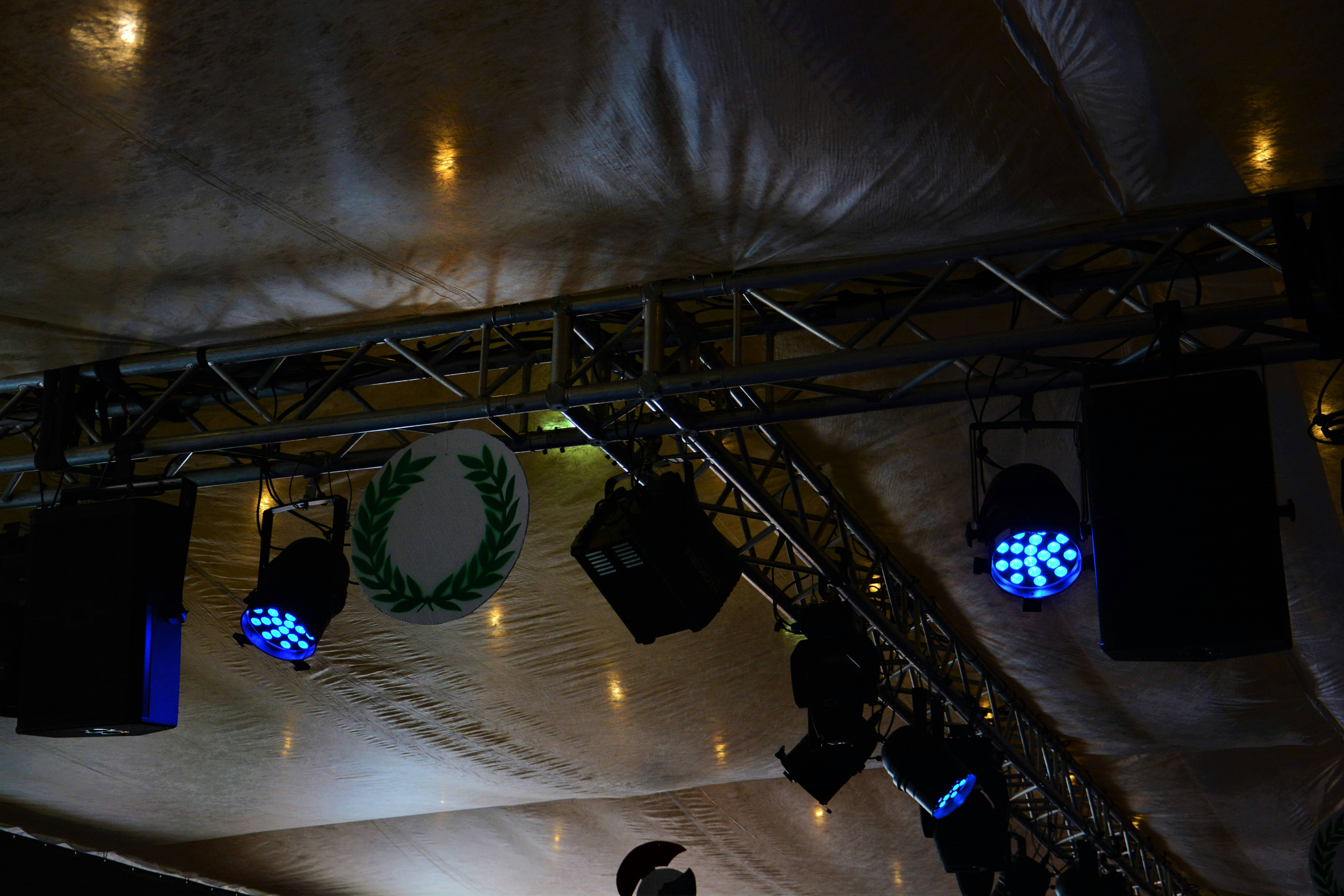
Professional lighting plays a crucial role in shaping the atmosphere of an event, transforming a mere venue into an immersive experience. By employing various lighting techniques and equipment, event planners can create a distinct mood tailored to the theme of the occasion. Among the most common types of lighting are LED lights, spotlights, and automated fixtures, each serving a unique purpose in enhancing the event’s visual appeal.
LED lights are versatile and energy-efficient, allowing for an array of colors and effects that can shift throughout the event. These lights can be used to wash walls, illuminate pathways, or create dynamic backdrops that engage attendees. Spotlights, on the other hand, excel at drawing attention to specific areas, such as a speaker on stage or key installations within the venue. The precise focus of a spotlight can highlight important moments and engage the audience effectively.
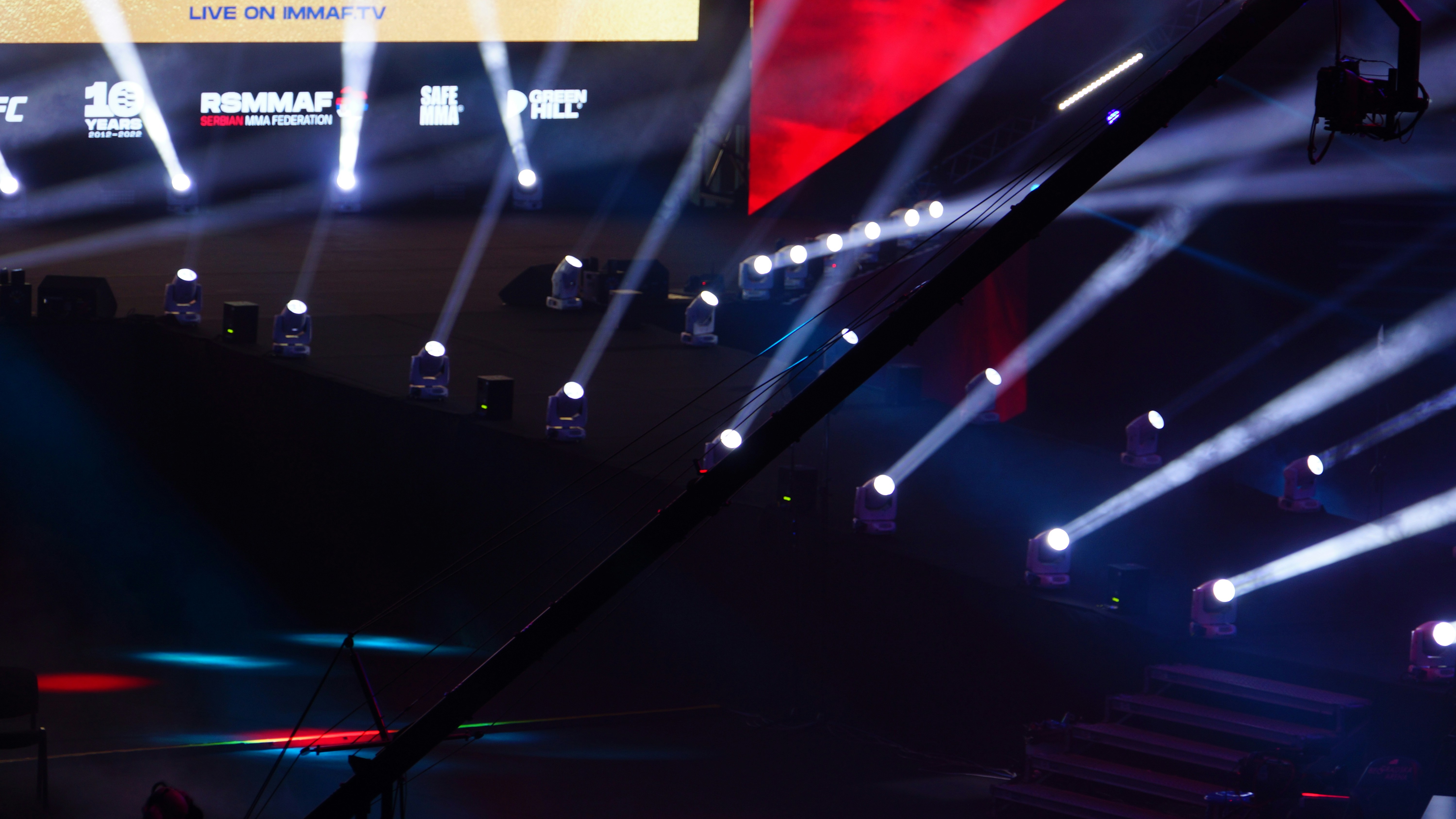
Automated fixtures represent the pinnacle of modern lighting technology, offering programmable options that can adapt to the rhythm and flow of an event. These fixtures can change colors, intensity, and angles in real-time, providing a seamless and captivating visual experience. Color temperature is another vital aspect of lighting design; warmer tones can foster a cozy environment, while cooler tones tend to evoke a more energetic atmosphere. Manipulating the intensity of lighting further enhances the ambience, allowing event producers to adjust the mood as needed.
It is essential to recognize that lighting does not merely illuminate; it influences attendee emotions and behaviors. A well-designed lighting scheme can create a sense of excitement, intimacy, or relaxation, guiding how people interact with the space and with each other. Hence, professional lighting is an indispensable element in event production, ensuring that the atmosphere aligns with the event’s objectives and leaving a lasting impression on participants.
Integrating AV and Lighting for Maximum Impact
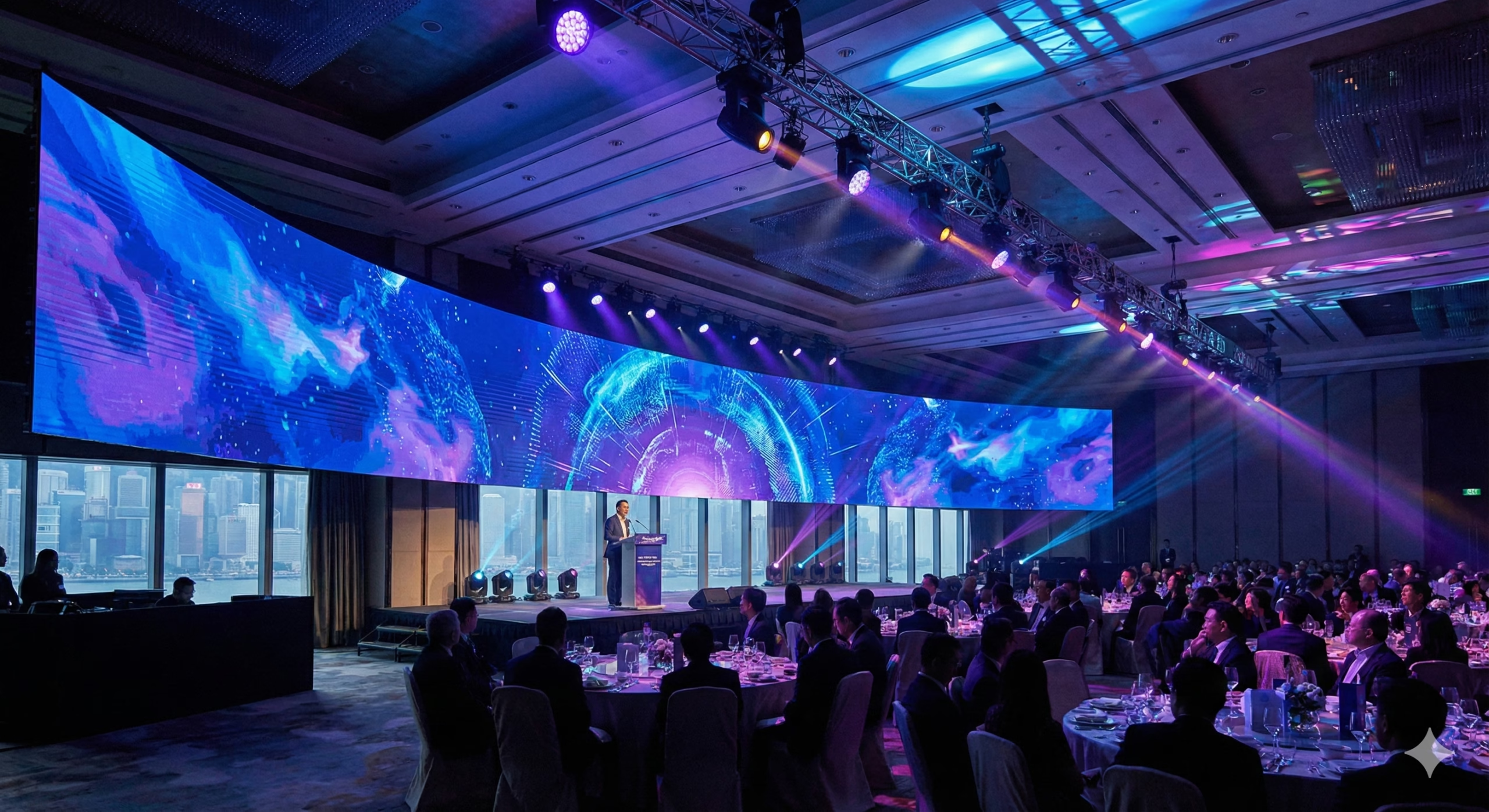
The effective integration of audio-visual (AV) elements and professional lighting is pivotal in creating a cohesive and mesmerizing event production. Achieving harmony between these two components ensures that the audience is not only entertained but also profoundly impacted by the atmosphere set during the event. Coordination between AV and lighting teams plays a crucial role in this integration, requiring clear communication and collaborative planning from the onset. This collaboration helps to mitigate potential issues that may arise during live events, thereby ensuring seamless execution.
To facilitate this integration, it is essential to establish a detailed plan that considers the specific needs of the event. Utilizing project management tools and software can streamline the design processes. Tools such as Lightwright for lighting design and QLab for AV cue management help professionals visualize the production and anticipate any challenges. By employing such resources, teams can ensure every aspect of the AV and lighting setup is meticulously planned and executed.
Rehearsals also play a vital role in the integration process. They allow both the AV and lighting teams to test their setups under actual event conditions, ensuring that transitions are smooth and timing is precise. This practice not only enhances the effectiveness of the performance but also fosters a better understanding between team members, strengthening teamwork and collaboration.
Numerous successful events illustrate the significance of effective integration. For instance, concerts often feature dramatic lighting that complements the music’s rhythm and intensity, enhancing the audience’s overall experience. Corporate events may utilize branded lighting designs that reflect the company’s identity while keeping the audience engaged. Such real-world examples demonstrate how well-executed integration can elevate an event, making it memorable and visually stunning.
Future Trends in AV Production and Lighting for Events
The landscape of audiovisual (AV) production and professional lighting for events is rapidly evolving, driven by technological advancements and a growing emphasis on sustainability. One of the most significant trends is the integration of augmented reality (AR) and virtual reality (VR) into event experiences. These technologies provide immersive environments that engage attendees in unprecedented ways. By allowing participants to interact with digital elements within a physical space, event planners can create memorable experiences that stand out in a competitive marketplace.
In addition to AR and VR, sustainable lighting solutions are gaining traction within the industry. With growing environmental concerns, event organizers are increasingly opting for energy-efficient lighting options that reduce carbon footprints. Innovations such as LED technology not only consume less power but also offer enhanced versatility in terms of color, brightness, and effects. This shift towards sustainable practices is not only a responsible choice but also resonates with attendees who prioritize eco-consciousness, further elevating an event’s appeal.
Smart technology is also reshaping the way professionals approach AV production and lighting. The emergence of smart lighting systems enables event planners to exercise enhanced control and customization over their setups. Through the use of mobile applications and centralized management systems, adjustments can be made in real-time, ensuring an optimal experience for all participants. As a result, event coordinators can respond swiftly to varying needs, enhancing audience engagement and satisfaction.
To stay ahead of these trends, it is essential for event planners to remain proactive in their professional development. Attending industry workshops, networking with technology providers, and staying informed about the latest innovations can empower planners to implement cutting-edge techniques in their events. However, it is important to also consider potential challenges such as budget constraints and the learning curve associated with new technologies. Preparation and strategic foresight will be crucial in leveraging these advancements to create distinctive and unforgettable events.

發表迴響