
2026-05-16
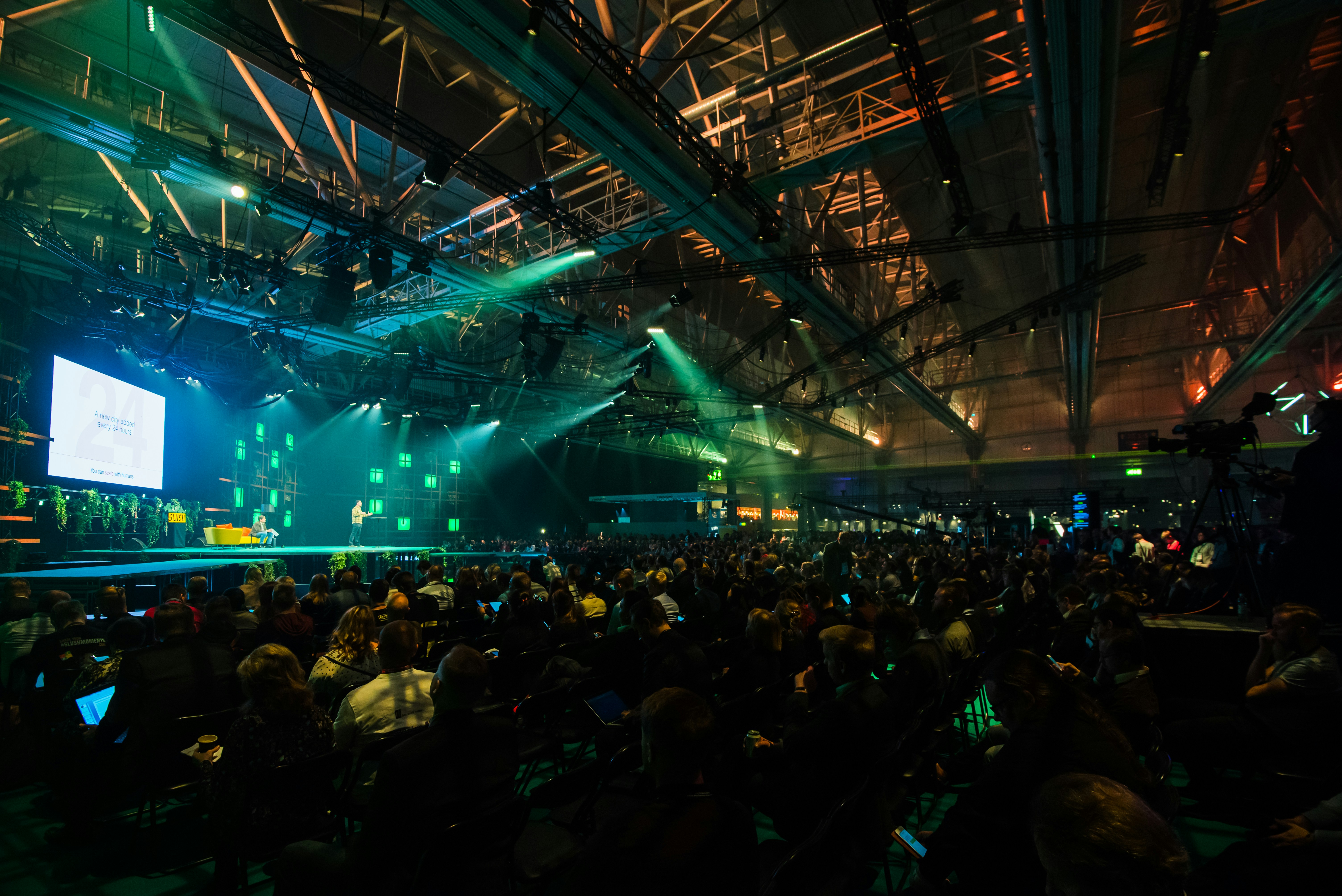
Professional sound refers to the high standards of audio quality and clarity required in various fields such as music production, film, broadcasting, and live performances. It encompasses a range of components, beginning with the capturing of sound through advanced recording technologies, followed by meticulous processing and mixing to achieve an optimal auditory experience.
The fundamental elements that characterize professional sound include frequency response, dynamic range, and distortion levels. Unlike casual or amateur audio, which may lack clarity and precision, professional sound ensures a balanced and accurate representation of the audio spectrum. The role of acoustics is paramount; environments are often treated with specialized materials designed to minimize echoes and reverberations, thus enhancing sound fidelity.
Technologies associated with professional sound include digital audio workstations (DAWs), high-quality microphones, and sophisticated equalizers, each playing a critical role in achieving the intended audio result. Furthermore, many professionals work with a diverse array of audio formats, including lossless formats such as WAV and FLAC, which preserve audio quality. Familiarity with common terminologies, such as mixing, mastering, and post-production, is also essential for those engaged in the industry.
Professional sound often demands a keen understanding of acoustical principles and audio engineering techniques, thus setting it apart from more casual listening experiences. By prioritizing clarity, richness, and fidelity, professionals can create an engaging auditory experience conducive to the artistic or communicative intent at hand.
Professional sound plays a crucial role across various industries, enhancing product quality and audience experience. One of the most prominent fields that rely heavily on high-quality audio is film and television. In this domain, sound design includes dialogue, sound effects, and musical scores, all of which contribute to storytelling. High-fidelity audio can elevate a viewer’s emotional engagement and immersion, allowing for a seamless experience that captivates the audience’s attention. With advancements in technology, techniques such as 5.1 surround sound have become standard, further enriching the viewer’s auditory experience.
Music production is another industry where professional sound is indispensable. Whether recording in a studio or performing live, the clarity and quality of audio can make a significant difference in the overall output. Producers and sound engineers utilize various mixing techniques and software to ensure that each instrument and vocal performance is heard distinctly. This attention to detail not only impacts the final product but also shapes how audiences perceive and enjoy the music.
The broadcasting sector heavily depends on professional sound to deliver news and entertainment effectively. Radio shows, podcasts, and television broadcasts all require crisp, clear audio to convey messages accurately. Poor sound quality can hinder communication and diminish audience engagement, which is why broadcasters invest in quality equipment and sound management training. Furthermore, live events such as concerts, theater productions, and conferences also prioritize professional sound to enhance the overall experience for attendees. In these settings, audio systems must deliver sound that is not only loud but also balanced and clear, ensuring that every nuance is appreciated by the audience.
Across these sectors, the importance of professional sound cannot be overstated. It enriches experiences and significantly impacts the effectiveness of communication, making quality audio a vital aspect of any production.

Achieving professional sound quality is a multifaceted process that requires careful attention to various technical elements. It begins with sound recording techniques, which are fundamental to capturing audio accurately. The choice of microphones, recording equipment, and the acoustic environment plays a significant role in this stage. Different microphones have unique characteristics that can influence the clarity and presence of the sound being recorded. For instance, dynamic microphones are ideal for high-volume applications, while condenser microphones capture more nuanced sounds, making them suitable for vocals and acoustic instruments.
Once the audio is recorded, the next step is mixing. This process involves adjusting the levels of different audio tracks, applying effects, and ensuring that each element of the sound blend harmoniously. A skilled sound engineer carefully balances the sounds to create a coherent output, considering aspects such as panning, equalization, and compression to enhance clarity and richness. This stage is critical, as it sets the foundation for the final sound.
Following mixing, mastering is the final step in the sound processing chain. Mastering ensures that the track has the appropriate levels for various playback systems, from vinyl records to streaming platforms. A mastering engineer utilizes specialized equipment to refine the final mix, making it sonically consistent and ensuring that it translates well across different listening environments.
Moreover, venue acoustics and equipment selection are paramount when producing professional sound in different environments. The acoustics of a studio, theater, or outdoor venue significantly influence how sound is perceived. Properly treated rooms can minimize undesirable echoes and enhance sound quality, while careful selection of speakers and sound systems can ensure that the intended audio is delivered accurately to the audience. It is essential for sound engineers to consider these factors to achieve the best possible sound quality in any given setting.
The landscape of professional sound technology is rapidly evolving, influenced by various industries’ demands and advancements in audio processing. One of the most notable trends is the progression in digital audio processing technologies. Recent innovations enable sound engineers and designers to manipulate audio with exceptional precision, enhancing the quality of sound production across film, music, gaming, and live events. Emerging technologies such as AI and machine learning are starting to play a pivotal role in this transformation, allowing for sophisticated audio analyses and automatic mixing solutions that were once labor-intensive.
Another significant trend is the rise of immersive audio experiences, primarily driven by formats like Dolby Atmos. This technology enables sound to be experienced in a three-dimensional space, creating a more engaging and impactful auditory experience. Industries such as cinema and virtual reality are particularly capitalizing on these immersive capabilities, reshaping narratives and enhancing user engagement. Sound professionals are now expected to integrate these advanced audio systems to stay relevant, which requires ongoing education and adaptability.
Furthermore, the integration of artificial intelligence in sound design is revolutionizing how audio is created and utilized. AI tools can assist in generating new sounds, enhancing audio quality, and even predicting audience preferences, thus allowing sound designers to make data-driven decisions that elevate their craft. As these technologies continue to develop, professionals in the sound industry must become proficient in using these tools to remain competitive. Moreover, understanding the shifting needs of various sectors—from podcasting to gaming—will be crucial for sound professionals as they aim to leverage these emerging trends effectively.
Get a free quote from our Hong Kong production team within 24 hours.
Get a Quote →